Selected from more than 2,000 nominations nationwide, these three schools show a deep level of commitment to meaningful STEM learning, access, and student success.
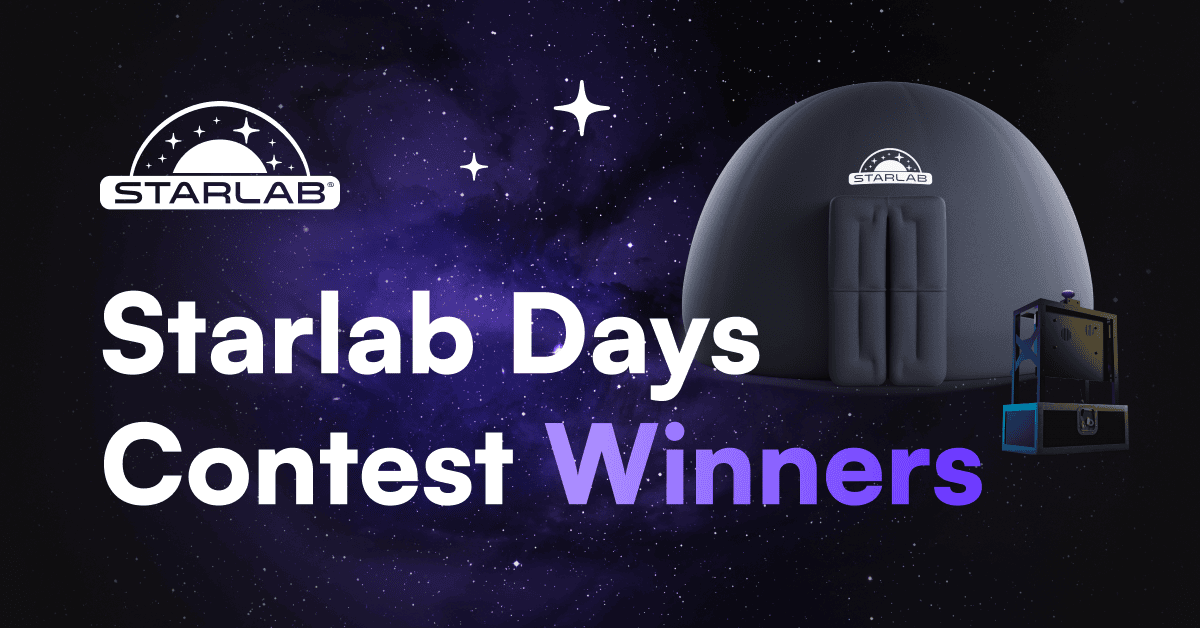
ENGLEWOOD, CO — April 8, 2026—Starlab, a subsidiary of Science Interactive Group and a leading provider of portable, immersive STEM learning experiences, announced three winning schools selected to host official Starlab Days visits as part of its inaugural national tour.
The schools — Christa McAuliffe Elementary in Palm Bay, FL, Liberty County School System in Hinesville, GA, and PS 212, in Jackson Heights, NY — were chosen from thousands of nominations submitted by educators, administrators, and school communities across the contiguous United States.
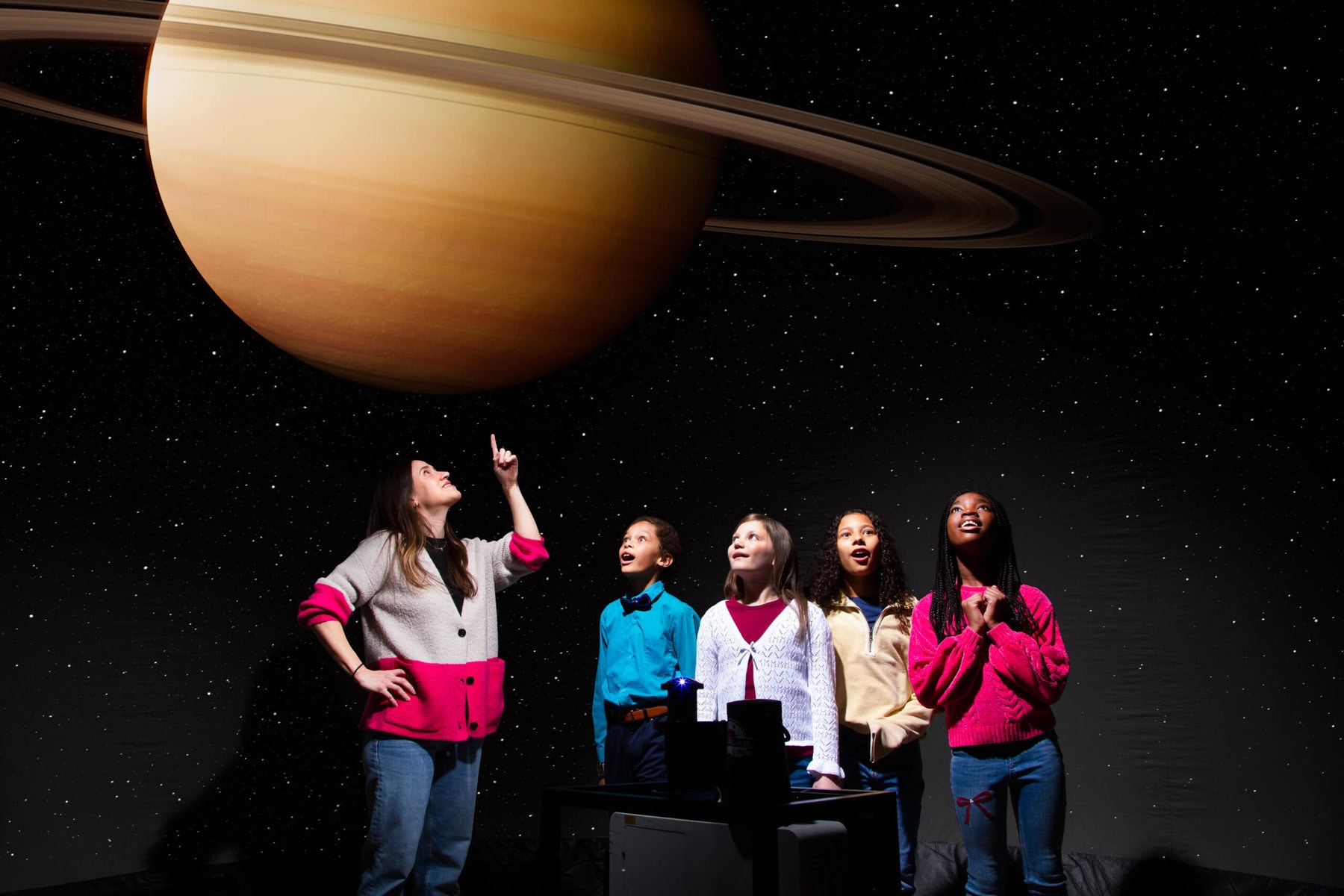
Each school will host a multi-day Starlab visit between May and December 2026. The three-day visit includes rotating student sessions, during which students will explore the universe from the depths of the oceans to the farthest corners of space. Host schools also have the opportunity to invite neighboring school and district leaders for an exclusive evening inside the Starlab dome, a rare, hands-on look at immersive learning that sparks conversation and connection.
Launched in January 2026, Starlab Days invited K–12 schools to nominate themselves for a chance to host a fully immersive, multi-day Starlab experience at no cost. Nominations asked schools to share their story: what made their science program or community unique and how immersive learning experiences like Starlab would make a meaningful impact on their communities. The response was overwhelming, with schools from across the country submitting nominations that reflected deep commitment to hands-on STEM education and student curiosity.
“We launched Starlab Days because there are schools out there doing extraordinary work with limited access to the kinds of experiences that make science stick,” said Sasha Peterson, CEO of Starlab.
“The nominations we received were a testament to that. Thousands of educators from across the country took the time to tell us their students’ stories, and reading through them made one thing very clear: the demand for immersive, meaningful science learning far outpaces what most schools can access on their own. A lot of students will never set foot in a planetarium. They won’t take a field trip to a science center. And their curiosity deserves better than that.”
About the Schools
Christa McAuliffe Elementary: is a Title I school serving 690 students from Pre-K through 6th grade on Florida’s Space Coast. STEM teacher Tracy Donovan made a compelling case for her students’ curiosity and their school’s science improvement goals, but it was one detail that resonated above all others: 2026 marks the 40th anniversary of the Challenger disaster, and Christa McAuliffe, the school’s namesake, dedicated her life to bringing space education into classrooms. Watch their video entry!
Liberty County School System: serves approximately 10,000 K-12 students in a Title I district located near Fort Stewart Army base, a community where military families navigate constant transience and deployment, and longtime residents face generational poverty and limited access. K-12 Gifted Facilitator Becky Busby nominated the district with a clear-eyed argument: textbooks and worksheets can’t fill an experience gap. Watch their video entry!
PS 212: is a Title I elementary school in Jackson Heights, Queens, NT serving 550 Pre-K through 5th grade students across one of New York City’s most culturally diverse neighborhoods. Their student body includes English Language Learners, students in ICT and special education settings, and families in dual language programs, a community where hands-on, visual learning isn’t a preference, it’s a necessity. Science teacher Roslyn Macheras-Marte put it plainly: immersive experiences like Starlab are common in more affluent communities, and PS 212’s students, whose motto is Where Everyone Grows, deserve one too. Watch their video entry!
Schools were evaluated by the Science Interactive team based on a combination of educational impact, community involvement, program uniqueness, story strength, and geographic diversity.
To learn more about Starlab or the Starlab Days contest, visit starlab.com.